


Science news
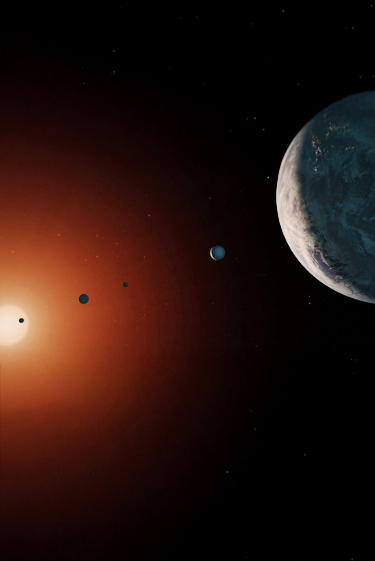
Head of the ISA Steps Down: This Week in Space
The director of the Israel Space Agency concludes his tenure, a Chinese experiment successfully simulates a lunar landing, the upgraded configuration of the Vulcan rocket lifts off for the first time, and a promising exoplanet is revealed to be a cosmic disappointment.


 6 minutes


Many More Reasons to Stay Fit: Aerobic Fitness Protects Against Chronic Disease
A new study shows that high aerobic fitness doesn’t just guard against heart disease and cancer—it also lowers the risk of dying from a range of other chronic illnesses. The exact biological mechanism remains unclear, but the evidence underscores the far-reaching benefits of staying active.



Prestigious Appointment for Israeli Astronaut: This Week in Space
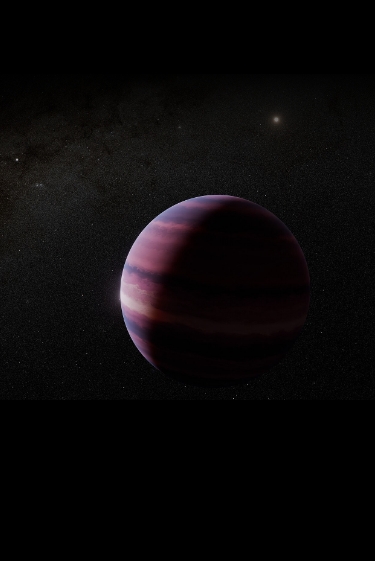
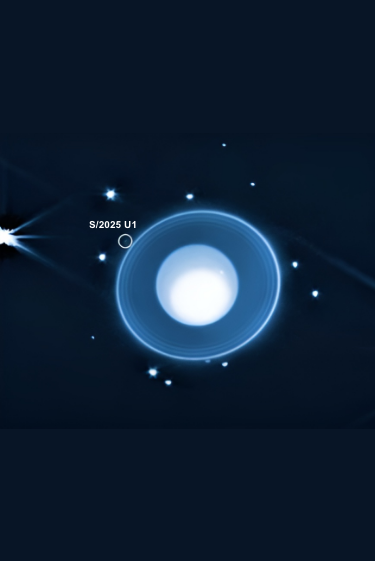
Israeli astronaut Eytan Stibbe was appointed Honorary President of the International Space University, a hidden companion star has been found near Betelgeuse, and ESA has successfully tested the massive parachutes for its future Mars rover. This Week in Space.

Dormant Virus And Head Trauma: New Clue in Alzheimer’s Research
Can a common virus help trigger Alzheimer’s disease? A recent study reveals a striking connection between head injuries, the herpes virus, and neurodegenerative brain disorders—offering new insight and a potential avenue for future treatments.
Israeli Science Joins a Global Space Effort: This Week in Space
Private astronauts arrived at the International Space Station, continuing a long-standing Israeli research initiative. A European spacecraft was lost during reentry, a U.S. solar probe completed another close pass by the Sun, and a new telescope began its mission to map the skies. This Week in Space

Amino Acids and a New Dwarf: This Week in Space
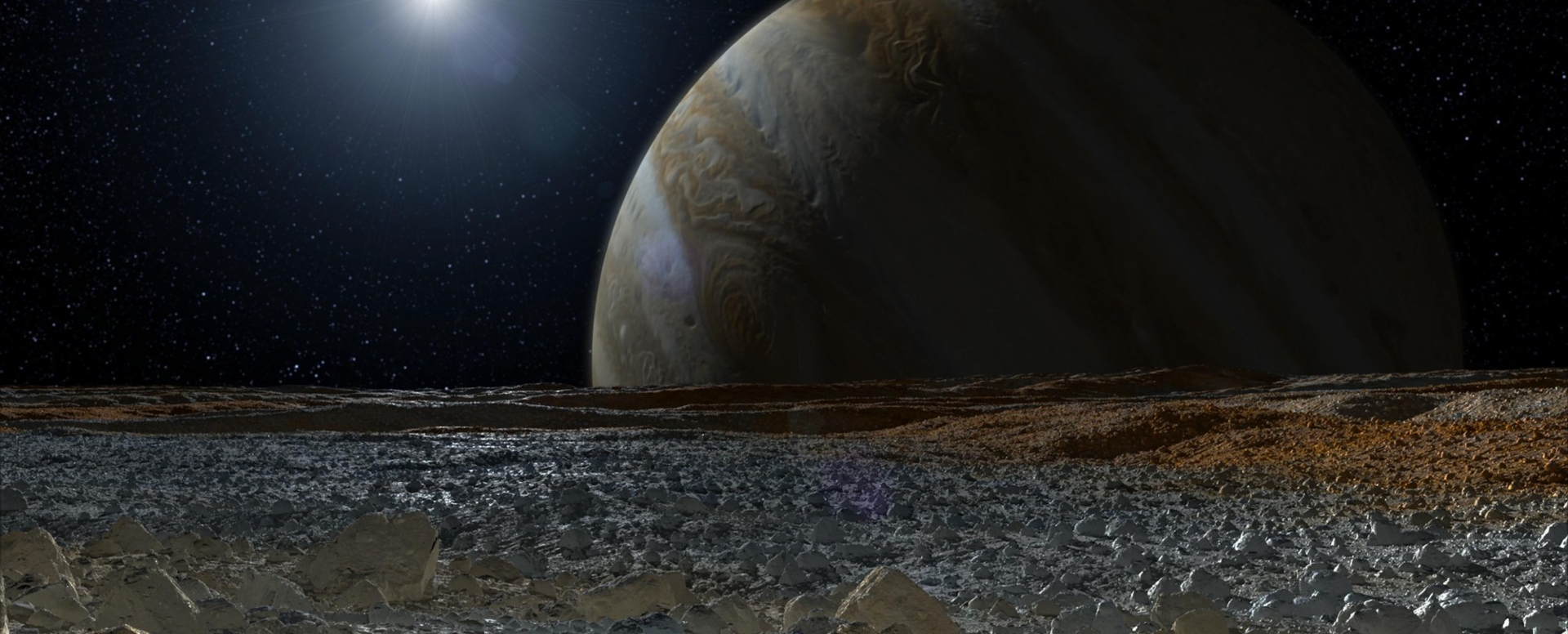
An Israeli study suggests a new way to detect life on Jupiter’s moon Europa. A new dwarf planet has been identified at the edge of the solar system. China launches a mission to collect asteroid samples, and Starship makes slow progress, despite a fiery end. This Week in Space

