


Space


 6 minutes
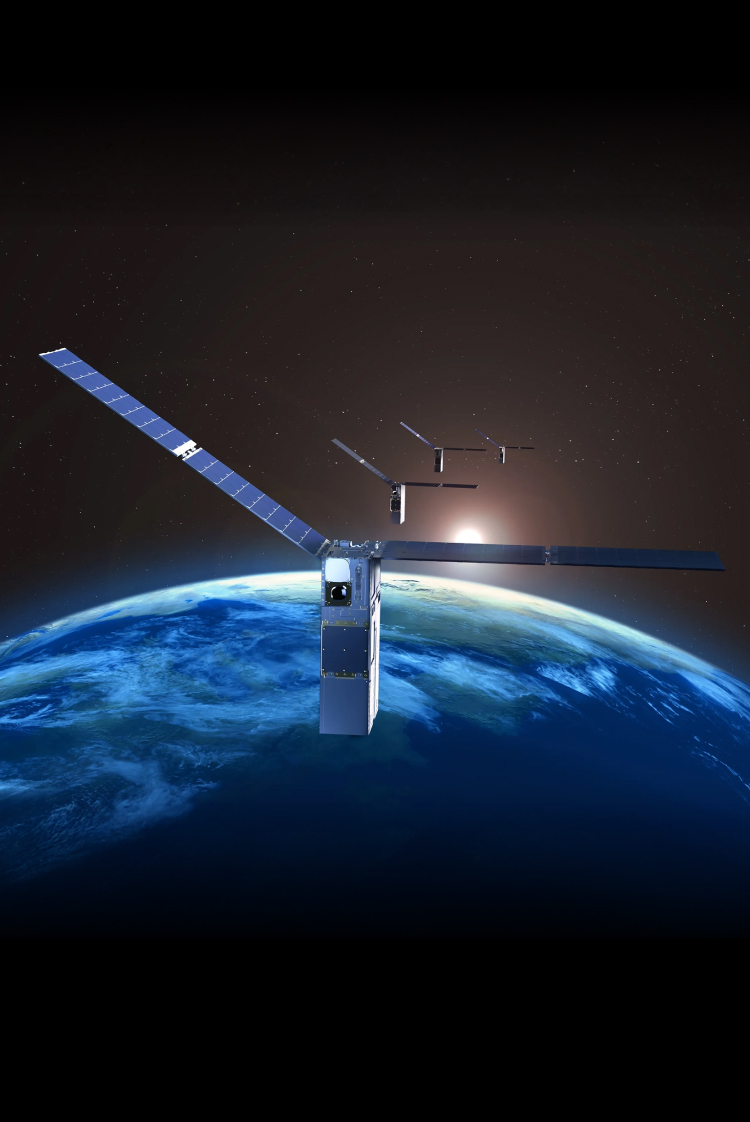
A Launch Stand-Down and a Million-Satellite Plan: This Week in Space
Falcon 9 launches were suspended after a rare anomaly; SpaceX is merging and seeking approval to deploy one million satellites; an Israeli partnership with the International Space University, and a small victory for darkness. This Week in Space
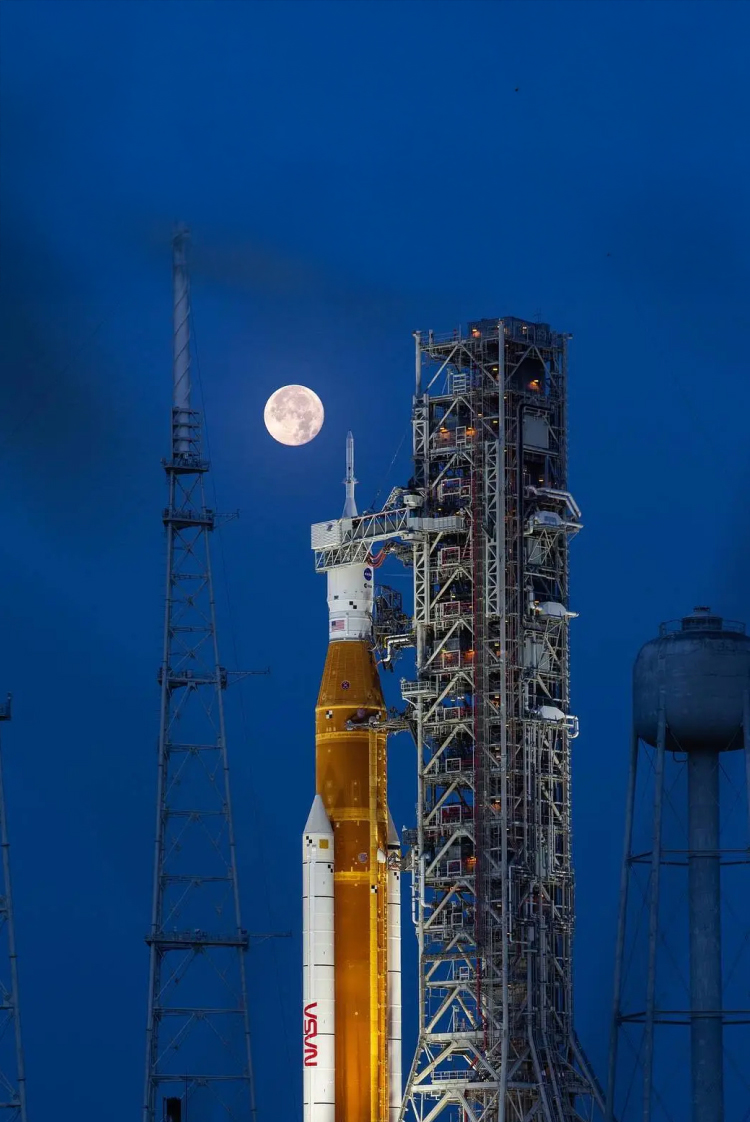
Heading Back to the Moon: Inside Artemis II
For the first time in more than half a century, humans will leave low Earth orbit and fly close to the Moon—without landing. Artemis II is meant to be the next step toward returning astronauts to the lunar surface, but major – and costly – challenges still lie ahead.

Moon Promises and Planet Births: Space News Roundup
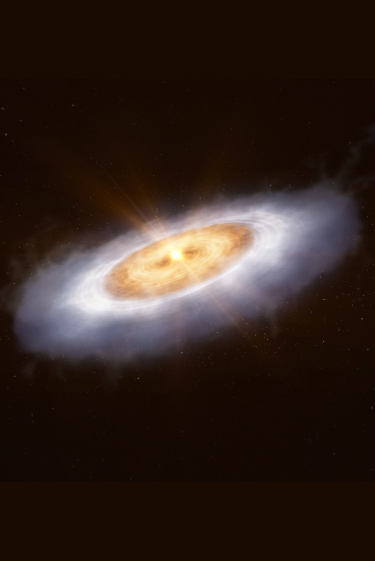
NASA’s new chief promises to land humans on the Moon within three years; mice that returned from space have produced healthy offspring; European Space Agency’s computer systems have been breached; and rare documentation of planet formation. Space Highlights.


Israeli Startups and No Room to Dock: This Week in Space
The Israeli startup accelerator in Mitzpe Ramon launches its third cohort; the ISS faces new concerns after damage at a Russian launch pad, yet all docking ports are fully occupied; and China moves closer to reusable-rocket success. This Week in Space.
The Moss That Survived in Space: This Week in Space
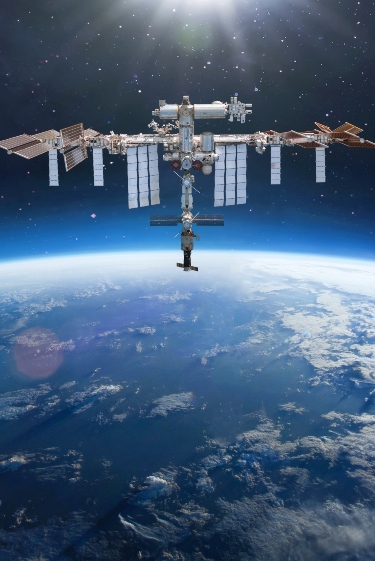
A new crew arrived at the International Space Station, China restores its escape-capable spacecraft, a Starship test ends in an accident, South Korea achieves a milestone launch and moss biology delivers surprising results in space. This Week in Space


Solar Storms and a Mars-Bound Launch: This Week in Space
Blue Origin successfully launched a mission to Mars — despite solar storms that lit up the aurora as far south as the U.S. Deep South. China sets new launch records, and astronomers uncover unusual planets in a distant star system. This Week in Space
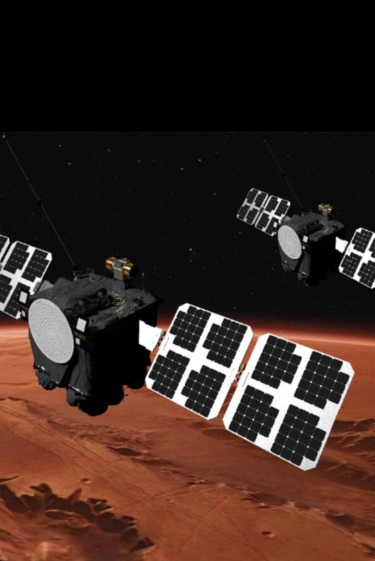
A Twin Mission to Study Mars: ESCAPADE Takes Flight
The United States has launched two satellites to study the atmosphere of our neighboring planet, in the first operational launch of Blue Origin’s New Glenn rocket — a mission that concluded with a successful landing of its first stage on a sea platform.
End of an Era for Starship: This Week in Space
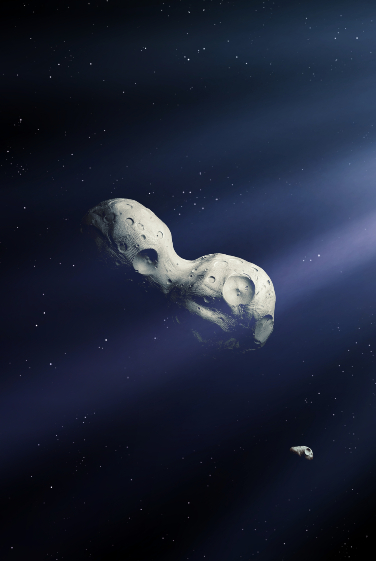
SpaceX has completed testing of Version 2 of its Starship launch system and is preparing for Version 3. Meanwhile a small asteroid was discovered just days before passing close to Earth, and scientists have identified unexpected complex molecules on Saturn’s moon Enceladus. This Week in Space


Head of the ISA Steps Down: This Week in Space
The director of the Israel Space Agency concludes his tenure, a Chinese experiment successfully simulates a lunar landing, the upgraded configuration of the Vulcan rocket lifts off for the first time, and a promising exoplanet is revealed to be a cosmic disappointment.


