Genetic sequencing technologies have led to another revolution – the understanding that the “guests” that live in our body affect almost every aspect of our lives.
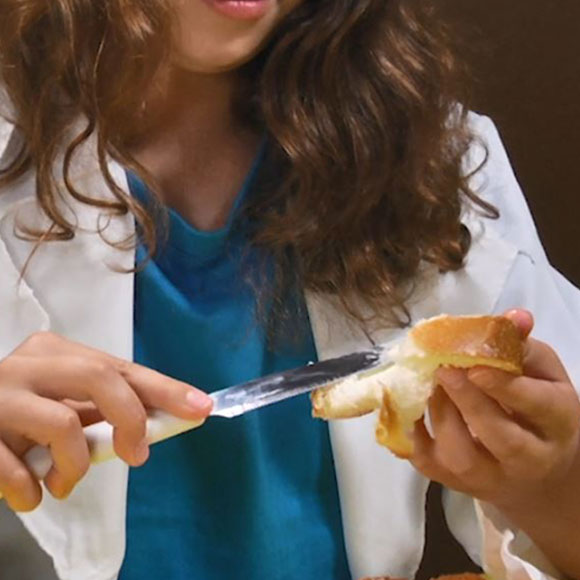
Many associate biotechnology with stern-looking scientists in white coats, performing peculiar experiments in advanced laboratories. However, it turns out you can also initiate biotechnological processes from the comfort of our own kitchen, no lab coats or expensive equipment required.
Are males actually needed for reproduction? Possibly not, but it is certainly easier with them.
What can you do to reduce your risk of infection? How would you know if you are infected, and what should you do if you find that you are? When will a vaccine be available? Read on for some useful tips.
In the past, present and naturally. How are mummies created, and what is in common between deserts, snowy peaks and boglands?
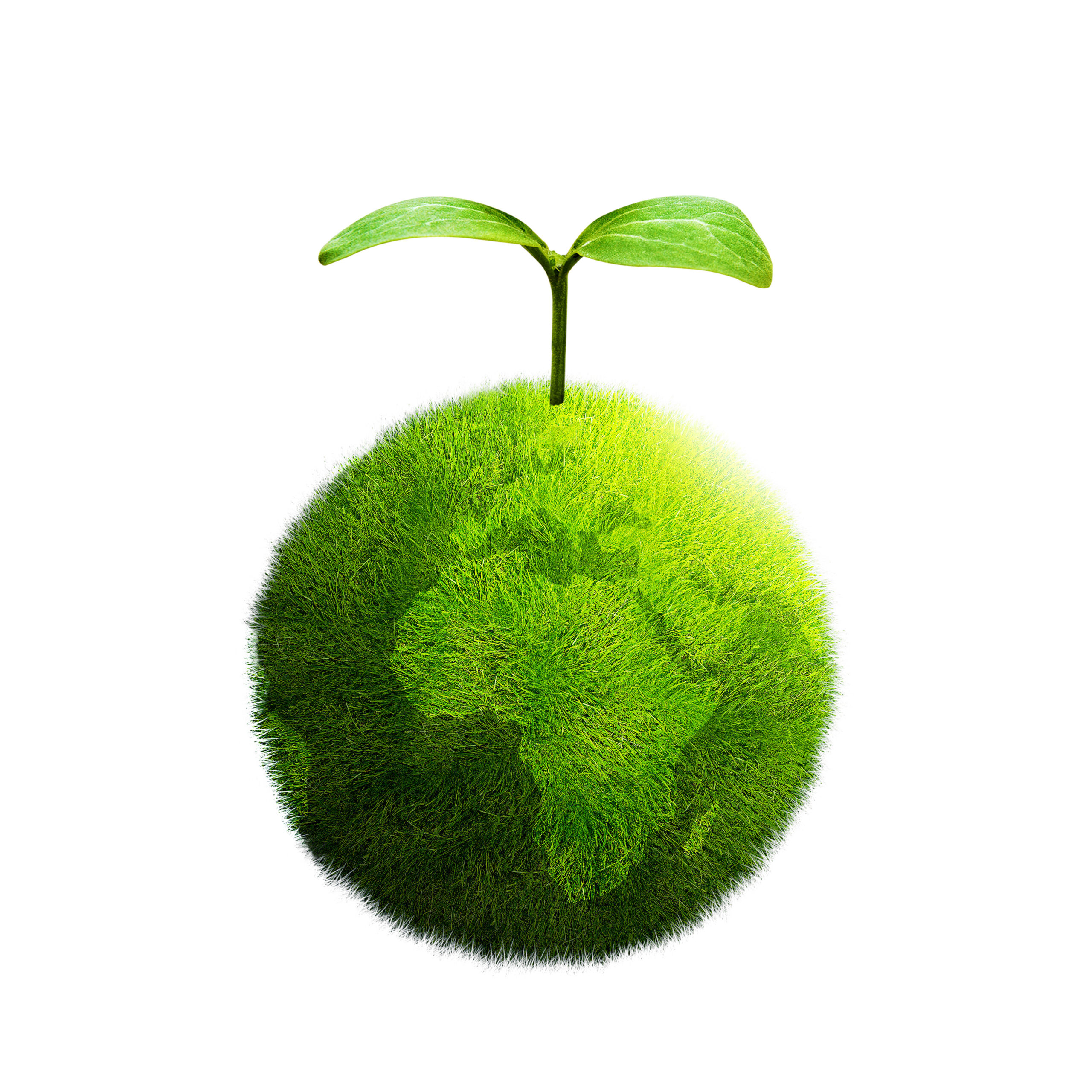
A video clip about how climate change affects vegetation and how plants affect the carbon cycle.
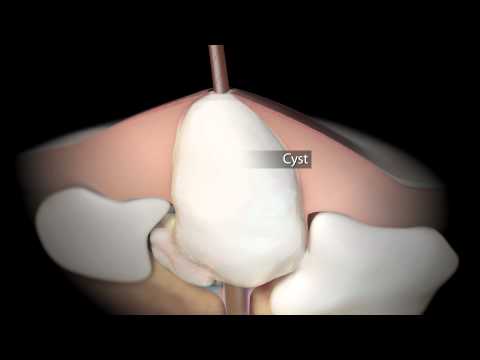
The following video presents the causes of acne, different possible symptoms, and common medical treatments.
The first thing that usually comes to mind when people hear the word “vitamins” are the small and colorful pills that come in a container, to be taken with or after a meal. Why? Because grandma said so – and grandma is always right!
Despite the disdain they evoke for some of us, researchers see insects as the new superheroes that will save the world from starvation. Are they really a practical alternative to meat?
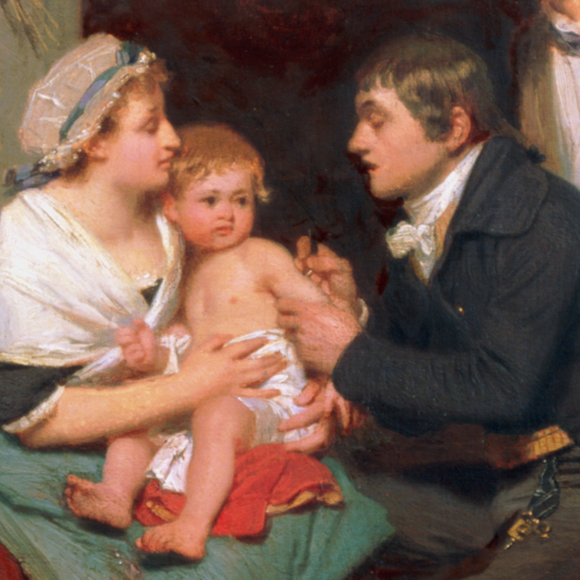
It has been 38 years since the World Health Organization (WHO) announced the eradication of a disease that killed hundreds of millions of people in the 20th century alone, and apparently destroyed entire civilizations in the new world.
It was over a century and a half ago that Charles Darwin published his revolutionary book “On the Origin of Species”. However, the genetic evidence that substantiate his theory of evolution was revealed many decades later. Nowadays, by virtue of their genetic analysis capabilities, scientists can calculate the genetic proximity between species and thereby place them on the evolutionary “tree of life”. The following video depicts how life began on Earth and leads us through a journey from the first cells to human beings, all based on our current genetic knowledge.
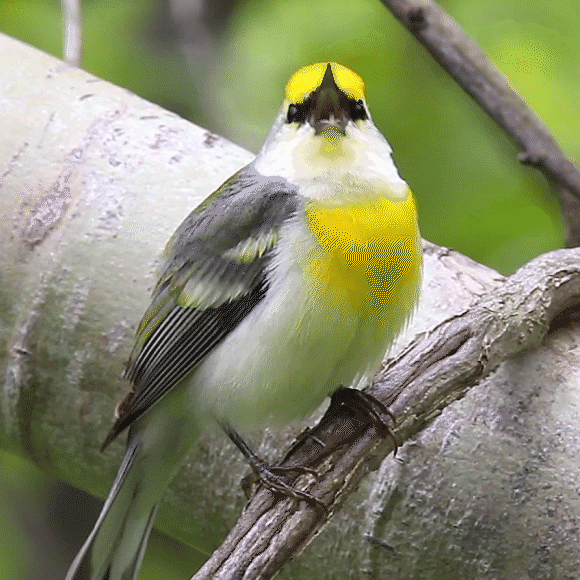
In honor of the Eurovision Song Contest, let’s get to know some of nature’s singers. How do birds learn to sing? How does a whale sing? And can a fish serenade his love?
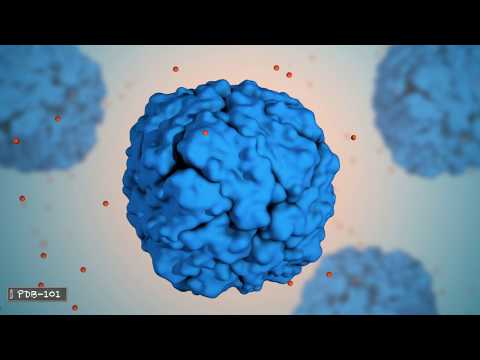
In terms of their chemistry, proteins are chains of amino acids. Proteins are an important ingredient in our diet, and are used by the body to build itself. Biologically, proteins play an important role as the enzymes driving many physiological processes. In essence, proteins are the workers driving all biological processes. The following video clip describes proteins’ chemical structure and explains basic concepts in chemistry.
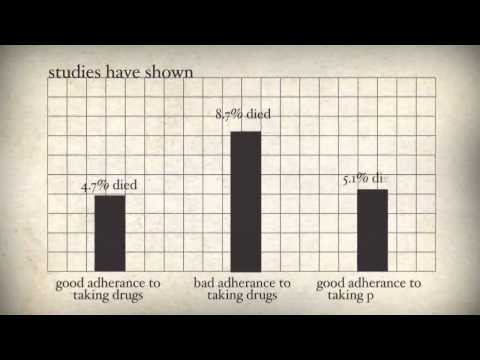
When we tell someone who is unwell “It is all in your head”, we rarely suspect the extent to which this is true. The world of medicine in recent years has started to obtain a better understanding of the phenomenon known as “the placebo effect” – a situation in which treatment with a false medicine leads to an actual improvement in the health condition.
In the living world all creatures are connected, in one way or another, in a complex network of different types of relationships. These relations could be parasitic, predator-prey relations or a symbiosis between two creatures.
The video shows the causes and various types of acne, and popular medical treatments.
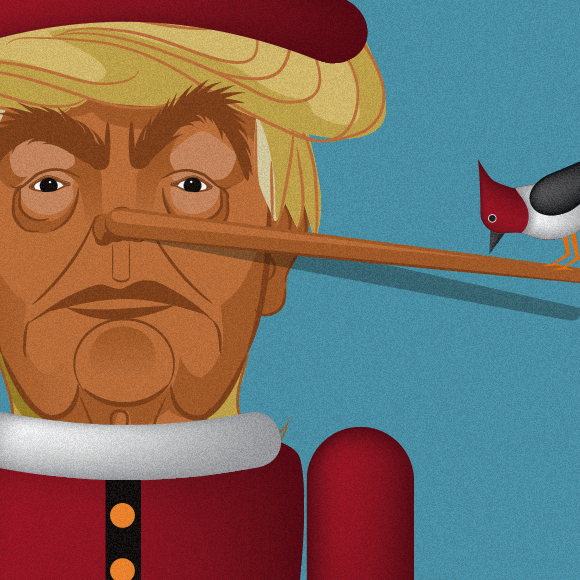
A measles outbreak due to anti-vaxxer activity, questionable therapists showcased on TV and politicians who do not hesitate to lie and twist facts to serve financial interests. These are only some of the challenges that science had to face in 2018. Is this a lost war?
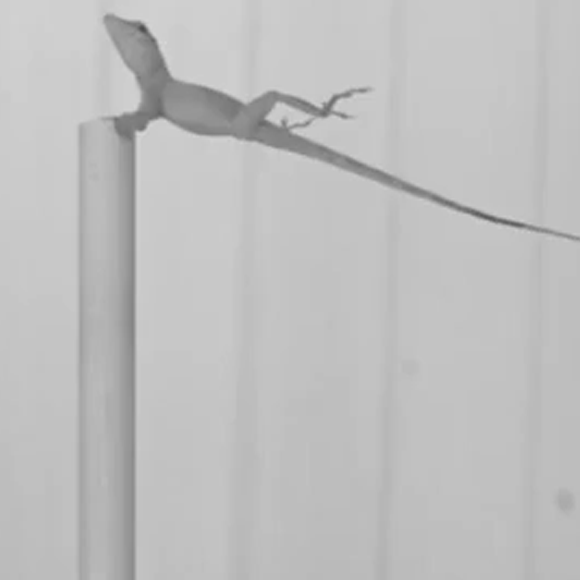
The answer is blowing in the wind: For the first time, researchers have shown how hurricanes can affect the evolution of lizards –simply by casting those less capable of withstanding the powerful winds into the sea.
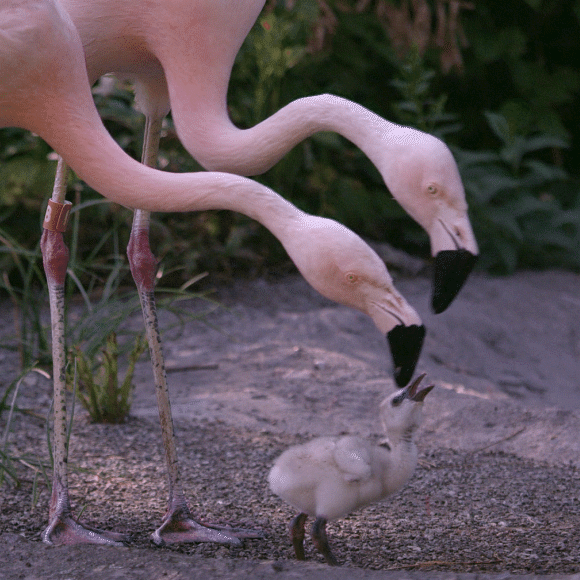
Nursing and milk consumption are not exclusive to mammals. Birds, bugs, spiders, and even fish feed their offspring with milk-like liquids.