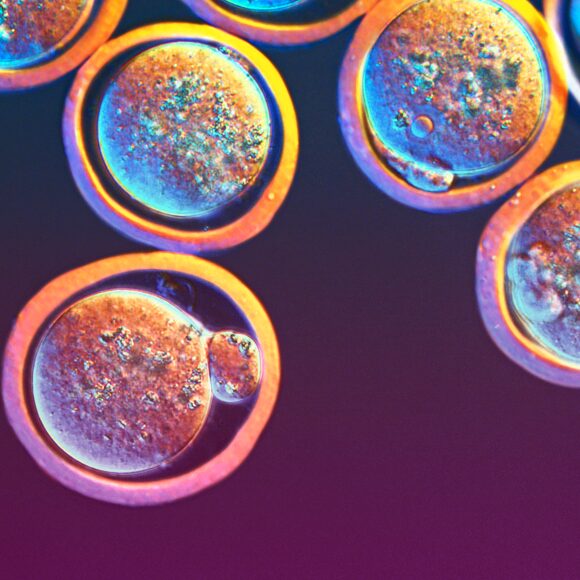
Genetic sequencing technologies have led to another revolution – the understanding that the “guests” that live in our body affect almost every aspect of our lives.
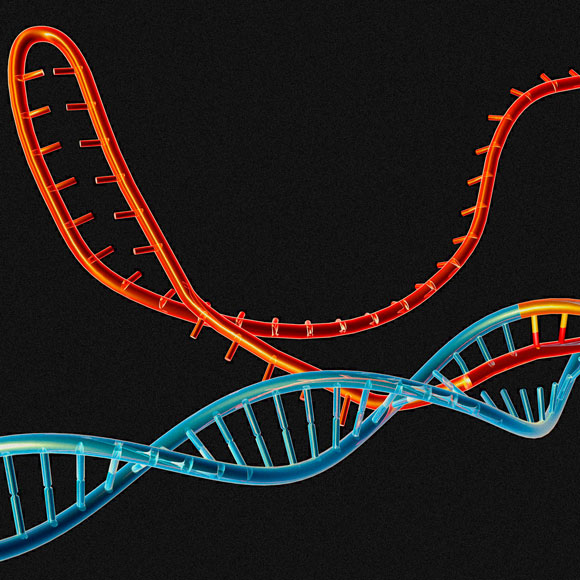
 Play Video

Competition
Well Done! Partial Correct Answer Correct Answer Incorrect Answer
All of the above
Well Done! Partial Correct Answer Correct Answer Incorrect Answer
Mutualistic symbiosis
Well Done! Partial Correct Answer Correct Answer Incorrect Answer
Parasitism
Well Done! Partial Correct Answer Correct Answer Incorrect Answer
All humans have an identical microbiome.
Well Done! Partial Correct Answer Correct Answer Incorrect Answer
Each microbiome is unique.
Well Done! Partial Correct Answer Correct Answer Incorrect Answer
Breastfeeding prevents the microbiome’s development.
Well Done! Partial Correct Answer Correct Answer Incorrect Answer
The human microbiome begins its development during the embryonic stage.
Well Done! Partial Correct Answer Correct Answer Incorrect Answer
The brain.
Well Done! Partial Correct Answer Correct Answer Incorrect Answer
All of the above.
Well Done! Partial Correct Answer Correct Answer Incorrect Answer
The immune system.
Well Done! Partial Correct Answer Correct Answer Incorrect Answer
The intestine.
Well Done! Partial Correct Answer Correct Answer Incorrect Answer
The type of food consumed.
Well Done! Partial Correct Answer Correct Answer Incorrect Answer
The microbiome composition inherited from the mother.
Well Done! Partial Correct Answer Correct Answer Incorrect Answer
Answers 1 and 2 are correct.
Well Done! Partial Correct Answer Correct Answer Incorrect Answer
Treating diarrhea caused by bacteria.
Well Done! Partial Correct Answer Correct Answer Incorrect Answer
Managing weight gain.
Well Done! Partial Correct Answer Correct Answer Incorrect Answer
Treating intestinal inflammation.
Well Done! Partial Correct Answer Correct Answer Incorrect Answer
All of the above.
Well Done! Partial Correct Answer Correct Answer Incorrect Answer
Studies show that the baby’s passage through the birth canal helps to establish the developing bacteria population. What, then, happens in C-section? How does the baby “acquire” its microbiome bacteria, and what can be done to improve the “acquisition” of the bacteria?
The answer: Vaginal seeding (or microbial transfer)! What is it? And what are its advantages?
The video presents the different types of human-bacteria interactions that have developed over evolution. Students will learn about the populations of organisms that make up the human microbiome and how they influence the body in health and disease. The video, which is an enrichment activity on the topic of bacteria and viruses in the human body, focuses on the importance of the numerous studies of the human microbiome for human health. There are five multiple-choice questions in the video, which can be answered based on the information it presents, and a “did you know” type interaction.
bacteria, fungi, Viruses, Microbiome, interactions, symbiosis, mutuality, parasitism, competition
Knowledge building
Are males actually needed for reproduction? Possibly not, but it is certainly easier with them.
A measles outbreak due to anti-vaxxer activity, questionable therapists showcased on TV and politicians who do not hesitate to lie and twist facts to serve financial interests. These are only some of the challenges that science had to face in 2018. Is this a lost war?
The answer is blowing in the wind: For the first time, researchers have shown how hurricanes can affect the evolution of lizards –simply by casting those less capable of withstanding the powerful winds into the sea.