


Articles
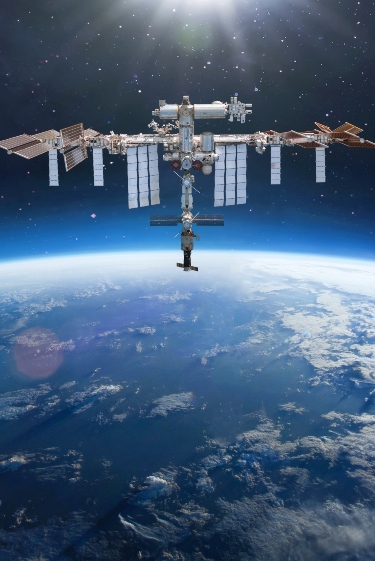
The Moss That Survived in Space: This Week in Space
A new crew arrived at the International Space Station, China restores its escape-capable spacecraft, a Starship test ends in an accident, South Korea achieves a milestone launch and moss biology delivers surprising results in space. This Week in Space


 8 minutes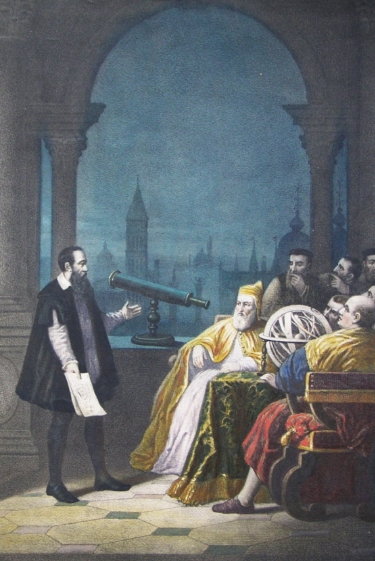
A Brief History of the Telescope
For thousands of years, humans gazed at the sky without understanding what lay behind the points of light above them. The invention of the telescope opened a window for humanity to distant worlds. But whom do we have to thank for the device that can transform a tiny speck in the night sky into a breathtaking image of Saturn?



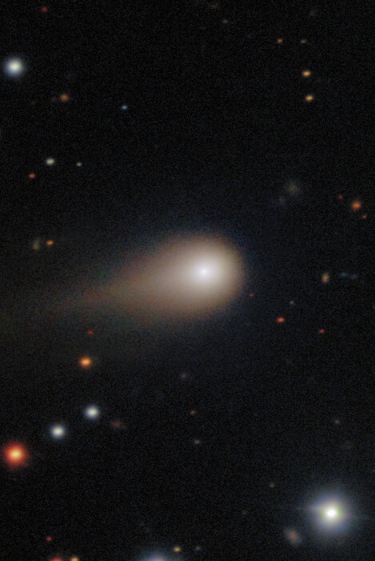





Solar Storms and a Mars-Bound Launch: This Week in Space
Blue Origin successfully launched a mission to Mars — despite solar storms that lit up the aurora as far south as the U.S. Deep South. China sets new launch records, and astronomers uncover unusual planets in a distant star system. This Week in Space
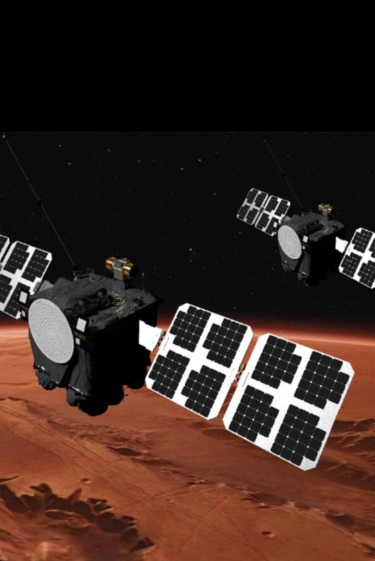
A Twin Mission to Study Mars: ESCAPADE Takes Flight
The United States has launched two satellites to study the atmosphere of our neighboring planet, in the first operational launch of Blue Origin’s New Glenn rocket — a mission that concluded with a successful landing of its first stage on a sea platform.


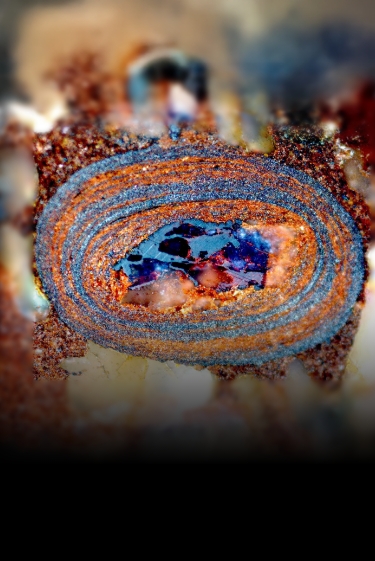
Ocean’s Time Capsules – Reconstructing Earth’s Carbon History
Deep within the ocean, ancient carbon lies locked inside sedimentary rocks. In a recent study, scientists have uncovered these geological archives, revealing new insights that redefine our understanding of Earth’s history and the evolution of life.
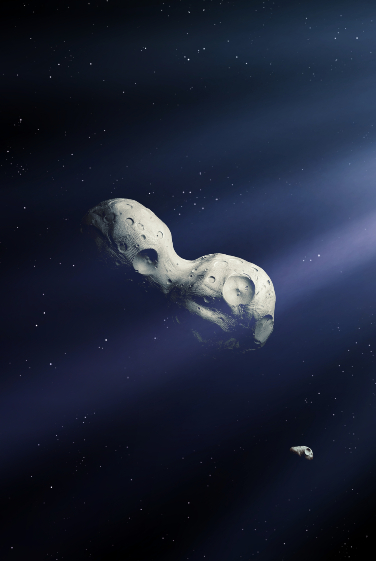
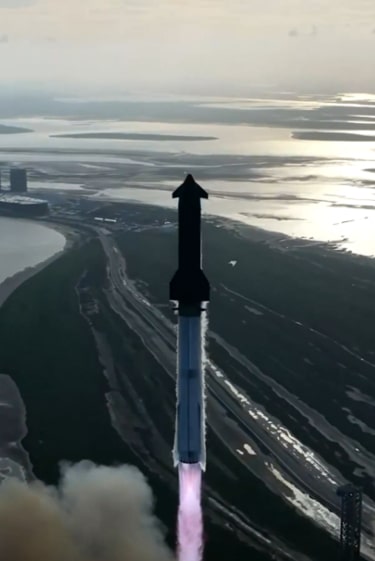
End of an Era for Starship: This Week in Space
SpaceX has completed testing of Version 2 of its Starship launch system and is preparing for Version 3. Meanwhile a small asteroid was discovered just days before passing close to Earth, and scientists have identified unexpected complex molecules on Saturn’s moon Enceladus. This Week in Space


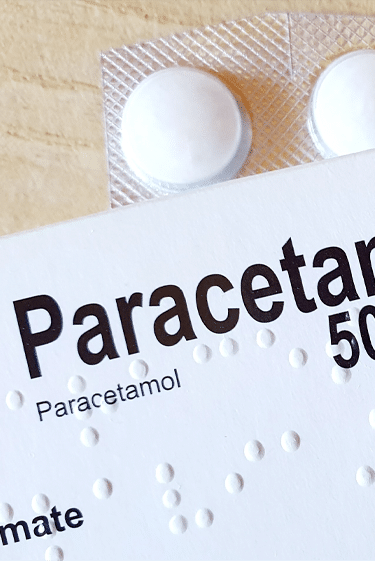
No Solid Evidence Linking Paracetamol to Autism
The FDA has issued a statement suggesting that prenatal exposure to paracetamol may be associated with an increased risk of neurological conditions. However, physicians and researchers contend that the claim lacks a strong scientific basis and caution that it could ultimately do more harm than good.

Head of the ISA Steps Down: This Week in Space
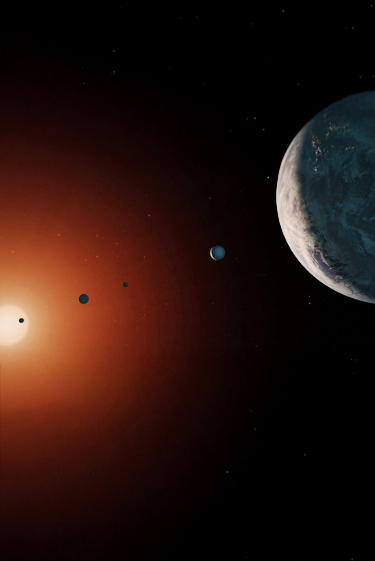
The director of the Israel Space Agency concludes his tenure, a Chinese experiment successfully simulates a lunar landing, the upgraded configuration of the Vulcan rocket lifts off for the first time, and a promising exoplanet is revealed to be a cosmic disappointment.


